Recycling and Sustainability — Garden Maintenance Wimbledon
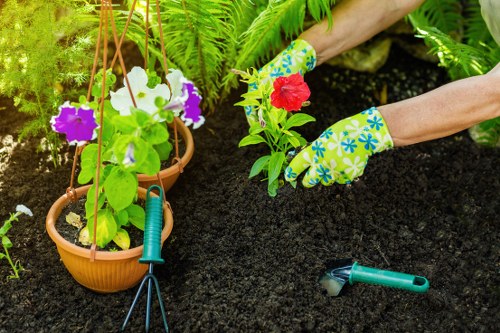 At Garden Maintenance Wimbledon we place sustainability at the heart of every pruning, planting and clearance. Our approach to an eco-friendly waste disposal area and a practical, efficient sustainable rubbish gardening area is driven by measurable targets, local collaboration and low-carbon logistics. We know that small actions across Wimbledon and the wider boroughs add up to a significant reduction in landfill and emissions.
Our immediate recycling percentage target is clear: we aim to divert 75% of all garden waste from landfill within the next 12 months and to reach 90% separation and reuse of green materials within three years. These figures guide operational change — from on-site segregation to route planning — and reflect our commitment as a responsible Wimbledon garden maintenance provider.
 We align with the boroughs' approach to waste separation: many neighbouring councils ask residents and contractors to separate food waste, paper and card, glass and mixed recycling, and garden waste. Our teams follow those systems, ensuring materials collected on site are pre-sorted to match local civic collections and transfer station requirements, reducing cross-contamination and increasing recycling quality.
Designing a Sustainable Rubbish Gardening Area on Site
Creating a practical on-site sustainable rubbish gardening area means planning space for separation and temporary storage. Our site setups typically include labeled bays for green waste, wood and timber, soil and turf, containerised recyclable packaging and items for reuse. We implement small-scale composting or leaf-mould bays when feasible and use compact chippers and mulchers to transform prunings into reusable mulch.
Typical recycling activities carried out by our Wimbledon garden services include:
- Green waste composting and aerobic piles to generate soil conditioner.
- Wood chipping and reuse of branches for pathways and mulch.
- Segregation of packaging (plastic pots, twine and cardboard) for borough recycling streams.
- Careful separation of contaminated materials to reduce processing losses at transfer stations.
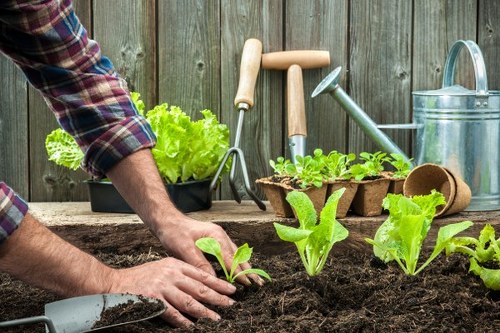 We also partner with local horticultural groups to convert clean green material into community compost, and we reuse screened soil on-site where quality allows. These practices reduce the amount of material transported and support a closed-loop model for garden maintenance in Wimbledon and adjacent neighbourhoods.
Local Transfer Stations, Logistics and Partnerships
Our logistics are designed around local transfer stations and civic amenity sites to minimise vehicle miles and emissions. We routinely use nearby transfer facilities and recycling centres — working within the operating guidelines of the borough — so that material goes where it can be processed most effectively. This careful routing ensures materials destined for composting, wood reprocessing or recycling are handled correctly.
We maintain strong relationships with community groups, charities and social enterprises that accept usable items or diverted organic matter. Rather than sending all material to processing, we partner with local charities and community gardens that can reuse healthy topsoil, potted plants, timber offcuts and untreated wood for social projects, allotment schemes and therapeutic gardening programmes.
To make reuse simple we implement a clear chain-of-custody for donations and transfers: all diverted materials are documented, labelled and moved with the appropriate paperwork so partner organisations can accept them quickly and safely, reducing administrative friction and increasing the rate of reuse.
Fleet emissions are a major focus for a modern Wimbledon garden maintenance company. Our fleet includes low-carbon vans — electric and hybrid vehicles — and we prioritise route optimisation to cut fuel use and idle time. Using EV vans for short runs within the borough and efficient hybrids for longer transfers reduces our carbon footprint and sets a standard for green garden services in the area.
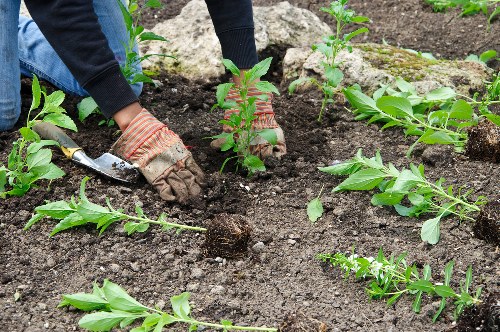 Partnerships with charities are central to our diversion strategy. We collaborate with local charities, community food redistribution projects, horticultural therapy providers and plant-reuse initiatives to repurpose plants, soil and materials that are otherwise still suitable. These collaborations create social value while minimising waste sent to processing.
 Monitoring progress is essential. We track weights and volumes of recycled and diverted materials, report monthly recycling percentages and adjust operations to meet our targets. Our transparent internal audits and periodic reviews ensure we meet the 75% short-term and 90% green-waste goals and continue to improve our eco-friendly waste disposal area practices across all Wimbledon garden maintenance contracts.
By adopting best practices — from properly designed on-site separation bays to low-emission vans and strong local partnerships — our Wimbledon garden maintenance teams reduce environmental impact while supporting community reuse schemes. Garden Maintenance Wimbledon strives to lead by example: efficient, accountable and locally connected.
We welcome collaboration with community horticultural groups, social enterprises and borough recycling programmes to expand reuse options and improve diversion rates. Together we can extend the life of soil, timber and plants, keeping materials circulating locally and building resilient green spaces across Wimbledon.
Our commitment is ongoing: set targets, measurable outcomes and continuous improvement are how we make the eco-friendly waste disposal area and sustainable rubbish gardening area an everyday reality for every Garden Maintenance Wimbledon job.