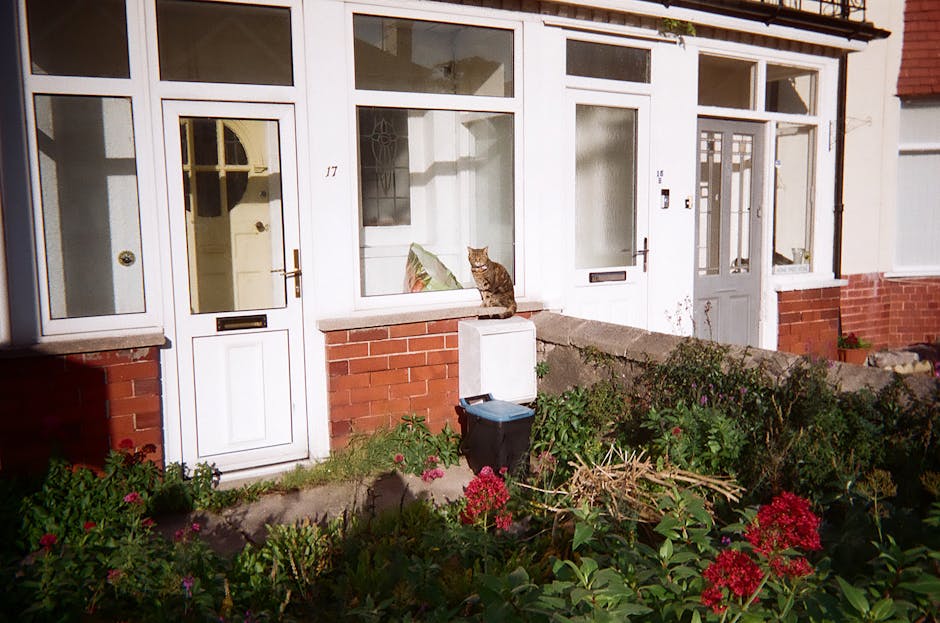
Haydons Road gardeners reliable front garden makeovers

If your front garden looks tired, patchy, or just a bit forgotten, you are not alone. Plenty of homes around Haydons Road have front spaces that need more than a quick tidy-up: they need a proper reset. That is where Haydons Road gardeners reliable front garden makeovers come in. Done well, a front garden makeover can make a property feel brighter, tidier, and easier to live with from the moment you step outside. It can also solve everyday problems like overgrown borders, poor drainage, awkward access, and lawns that never quite recover after winter.
Truth be told, a front garden is doing a lot of work. It is the first thing people see, it shapes how the house feels, and it often has to handle bins, bikes, cars, foot traffic, and not much time for maintenance. This guide walks through what reliable front garden makeovers actually involve, how the process works, what to avoid, and how to judge whether a design will look good next month, not just on day one.
Along the way, you will find practical advice on planning, materials, maintenance, local best practice, and the kind of details that separate a decent job from one that still looks good after a wet week and a busy season. Let's get into it.
Why Haydons Road gardeners reliable front garden makeovers Matters
A front garden makeover is not just about making things pretty. It is about making the entrance to your home feel intentional, tidy, and easy to manage. On streets like Haydons Road, where homes often sit close to pavements and passers-by can see every detail, a front garden quickly becomes part of the property's identity. A faded lawn, messy edging, or broken planting can make an otherwise lovely house feel neglected. That is a shame, because small changes can make a big difference.
Reliable front garden makeovers matter most when the space has become awkward rather than simply untidy. Maybe the soil is compacted and water sits in puddles after rain. Maybe shrubs have grown too big and now block light from the window. Or maybe the layout just does not suit the way you use the property now. The point is not to create a show garden. The point is to create a front space that works day to day and still looks welcoming on a grey Tuesday morning, which, let's face it, is the real test in London.
There is also the practical side. A front garden can affect access, visibility, and how easy it is to keep the entrance clean. If you are constantly sweeping leaves, trimming back growth, or stepping around clumps of tired planting, the garden is asking for more attention than it gives back. A well-planned makeover reduces that friction. It simplifies life.
For many homeowners, the best route is a measured approach: clear the problem areas, keep what works, and introduce stronger structure with hardy plants, clean edges, and surfaces that do not demand constant fuss. That is where experienced gardeners make a difference. They can see the space as a whole rather than just a pile of separate jobs.
Expert summary: A reliable front garden makeover should improve the look of the property, reduce routine upkeep, and make the space feel easier to use without turning it into a high-maintenance project.
How Haydons Road gardeners reliable front garden makeovers Works
Most successful front garden makeovers follow a fairly straightforward pattern, though the detail changes from one property to the next. The first step is a practical assessment of what is already there. That means checking the shape of the space, the condition of the soil or surfaces, the level of sunlight, the state of existing plants, and any access points that need to stay open. A good gardener will also look at how much maintenance you are realistically willing to do. That part matters more than people think.
From there, the makeover usually breaks down into a few core tasks. The team may remove waste, cut back overgrown plants, improve the soil, reshape borders, install fresh planting, and tidy the hard edges around paths or driveways. If the front garden needs a more complete redesign, the work may also include new layout ideas, drainage improvements, or structural elements such as paving or timber features. The service mix will depend on the existing condition and your budget.
If you want a broader picture of what can be included, it is worth looking at the wider services overview before narrowing down the front-garden brief. Some projects need only straightforward maintenance; others benefit from a more complete approach that blends design and practical upkeep. There is no prize for overcomplicating it.
Reliable work is usually done in stages. First comes the clear-out. Then the shaping. Then the finishing touches. That sequence sounds obvious, but it prevents one of the most common headaches: spending money on plants or surfaces before the layout is right. A front garden should feel settled in its bones before it is dressed.
And yes, timing matters. If you are aiming to improve the frontage before spring or before a property sale, it helps to start earlier than you think. Wet weather, soil preparation, and sourcing materials can stretch the timeline a little. Not wildly, but enough to matter.
Key Benefits and Practical Advantages
The obvious benefit is kerb appeal. A front garden that looks cared for sends a strong signal straight away. But the practical advantages can be even more valuable over time.
- Less weekly maintenance: A sensible design can reduce mowing, pruning, and weeding.
- Better use of space: Even a narrow frontage can feel organised once the layout is clarified.
- Improved drainage and tidiness: Removing compacted soil, fixing levels, or simplifying planting can stop the space becoming muddy and awkward.
- Clearer access: Pathways, steps, and gates are easier to use when the space is not overgrown.
- More seasonal interest: The right planting can keep the garden attractive through more of the year, not just for one month in summer.
- Higher everyday satisfaction: This sounds small, but walking out to a neat front garden in the morning does change how the home feels. You notice it.
There is another subtle benefit: confidence. If a garden has been "on the list" for months, it can quietly become a source of guilt. A reliable makeover cuts through that. Once it is done properly, the whole property feels more under control. That is a real quality-of-life improvement, even if nobody puts it on a spreadsheet.
For people comparing a quick tidy with a full front garden redesign, the trade-off is usually between short-term visual improvement and long-term usefulness. A quick tidy is useful before visitors arrive. A proper makeover can make the front of the home easier to enjoy for years. Different jobs, different outcomes.
Who This Is For and When It Makes Sense
This kind of service suits more people than you might expect. It is not only for homes with large gardens or dramatic renovation plans. In fact, many of the most effective front garden makeovers are for compact, ordinary spaces that just need a smarter arrangement.
You may be a good fit if:
- your front garden is overgrown or tired and you do not know where to start;
- you want a neater entrance without committing to constant upkeep;
- you are preparing a property for sale or rental and want it to present well;
- your current planting looks patchy, storm-damaged, or out of scale;
- paths, borders, or edges have become untidy and impractical;
- the space needs a clearer structure, perhaps with lawn, planting, or hard landscaping;
- you want a local team who can handle the work reliably rather than half-finish it.
It also makes sense when a garden has become misaligned with your lifestyle. Maybe you used to enjoy tending borders every weekend, but now you would rather spend your time elsewhere. Fair enough. A front garden should suit the way you live now, not how you lived ten years ago.
Some homeowners wait too long because they think the project must be big to be worthwhile. It does not. Even a modest refresh can have a surprisingly strong effect if the right areas are targeted. A reset of the edges, better planting, improved mowing lines, and a cleaner surface treatment can transform the whole impression.
If your front space is part of a wider garden plan, you may want to combine it with routine garden maintenance or more structural landscaping depending on how much change you want. And if the garden has simply become cluttered with waste, a garden clearance can be the sensible starting point. Clear first, decide second. That order saves headaches.
Step-by-Step Guidance
Below is a practical way to think about a front garden makeover from start to finish. Not every project needs every step, but the sequence is useful. It keeps the work grounded.
- Walk the space properly. Look at it from the pavement, from the front door, and from the upstairs window if possible. What do you notice first? What feels cramped, messy, or lifeless?
- Decide the main goal. Is the priority low maintenance, stronger design, improved access, better drainage, or simple visual improvement?
- Remove what is not earning its keep. Dead plants, tired containers, broken edging, and overcrowded shrubs often do more harm than good.
- Fix the bones of the garden. Borders, pathways, lawn edges, and levels matter. Get these right before thinking about decorative detail.
- Choose planting that suits the site. Sunny, shady, dry, exposed, or sheltered conditions all change what will thrive.
- Use structure sparingly but effectively. A small shrub, a clipped hedge, a low wall, or a simple gravel bed can give the front garden a sense of order.
- Finish with maintenance logic. Ask yourself: will this still look good in six weeks if I do not touch it every weekend?
If the space includes trees, large shrubs, or blocked light from above, it may also be worth considering tree lopping and removal where appropriate and safe. Sometimes the whole front garden improves when one overbearing element is reduced or removed. Of course, this should be assessed carefully rather than rushed. Nobody wants to solve one problem and create another.
Many projects benefit from a mixed approach. For example, a homeowner may keep a healthy boundary hedge, refresh the front beds, and replace the central lawn area with a cleaner, easier surface. Another property may need stronger planting and better hard edges, but no major structural work. The right answer depends on the site, not a template.
That is the heart of the matter. Reliable front garden makeovers are not about imposing a style. They are about improving how the space works, then shaping the look around that. It sounds simple, because it is.
Expert Tips for Better Results
Here are a few things that tend to separate a thoughtful result from a merely tidy one.
- Keep the front garden legible. A visitor should be able to understand where to walk, where the planting starts, and where the edges are. Confusing layouts feel messy even when the plants are healthy.
- Prioritise year-round structure. Evergreen shrubs, clipped shapes, and reliable edging help the garden stay composed through winter and early spring.
- Do not overload a small space. A few good plants usually work better than many small ones fighting for attention.
- Choose materials you can live with. Gravel, bark, paving, and planting all have different upkeep demands. Some look lovely but behave differently in wet weather.
- Think about sightlines. The best front gardens often guide the eye gently from the street to the door. That little bit of flow makes the whole frontage feel calmer.
- Match the design to the house. A modern layout can look great, but it should still feel connected to the property rather than pasted on top.
A slightly underappreciated tip: leave enough space around plants for them to grow. Newly planted borders can look sparse at first, and people sometimes panic and pack things too tightly. Six months later, it becomes a jungle. Patience helps. So does decent spacing.
For families or busy households, a gardener who also understands lawn mowing and seasonal upkeep can help shape a front garden that stays manageable. If there is a hedge involved, regular hedge trimming keeps the lines clean and stops the frontage from wandering back into chaos. Gardens do that if you blink.
Common Mistakes to Avoid
Some problems show up again and again. The good news is that they are avoidable if you know what to look for.
- Starting with plants before fixing layout. If the bones are wrong, the planting will not rescue it.
- Choosing high-maintenance features by accident. Lovely in theory, annoying in practice.
- Ignoring drainage or compacted soil. This often leads to patches that never look quite right.
- Using too many competing materials. A front garden with six surfaces and four border styles can feel restless.
- Trimming too hard or too late. Overcutting shrubs can leave the frontage looking bare and unbalanced.
- Forgetting future access. Make sure gates, bins, and walkways still work once everything is planted or installed.
- Expecting instant maturity. Some designs look a bit thin at first. That is normal. Good structure gives them time to settle in.
The most expensive mistake is usually not the flashy one. It is the quiet one: a front garden that looks fine for two weeks, then becomes awkward to maintain. Reliable work avoids that by planning for the everyday reality of weather, time, and growth.
To be fair, a lot of poor outcomes come from trying to do too much at once. A front garden does not need every idea in the notebook. It needs a sensible plan, carried through properly. That is a much better use of money.
Tools, Resources and Recommendations
Homeowners do not need to own a van full of equipment to make informed decisions, but it helps to understand the tools and materials typically used in front garden work. That makes conversations with gardeners more productive and keeps expectations realistic.
Useful tools and materials often include:
- spades, forks, and edging tools for soil and border work;
- secateurs and loppers for pruning and shaping;
- wheelbarrows and sacks for clearing waste efficiently;
- mulch, compost, or soil improver for planting beds;
- gravel, paving, or simple edging materials where hard structure is needed;
- low-maintenance planting suited to the site;
- basic lighting or decorative features, if they genuinely improve the space rather than clutter it.
If the project involves disposal, it helps to ask how waste will be handled and whether recyclable green material is separated where possible. Some teams place a strong emphasis on recycling and sustainability, which is a sensible approach for garden waste and leftover plant material. It is better for the site and generally better for the planet, too.
If you are comparing providers, it is also worth reviewing how they handle quotes, payment, and safety. Clear pricing habits are a sign of a well-run operation. The same goes for insurance and job-site care. A straightforward explanation of pricing and quotes can make the decision easier, especially if you are balancing a few different improvement options at once.
One small but important recommendation: keep a simple folder of the site photos before work starts. Nothing fancy. Just a few phone pictures from the front, side, and pavement. After the makeover, those images help you see what really changed. Sometimes the difference is bigger than you remember.
Law, Compliance, Standards, or Best Practice
For front garden makeovers in the UK, the main thing to remember is that not all work is purely decorative. Some tasks involve access, waste handling, electrical fittings, or changes close to boundaries and public footways. Best practice is to plan the work carefully, check whether any permissions are needed for larger structural changes, and use competent people for anything that may carry risk.
Tree work deserves particular caution. If branches overhang a path, block light, or affect the balance of the garden, it may be tempting to deal with them quickly. But pruning or removal should be assessed properly, especially where tree health, safety, or neighbouring property could be affected. A careful approach is best, and if in doubt, get the situation reviewed before any cutting begins.
Good garden contractors should also think about site safety, safe use of tools, and tidy working practices. That includes keeping paths clear, managing waste responsibly, and reducing trip hazards while the work is underway. If a team can explain how they handle health and safety policy matters and what their approach to insurance and safety is, that is a reassuring sign.
It is also sensible to look for clear terms around deposits, payment timing, and what happens if a job changes once the site has been assessed. Transparent paperwork is not exciting, I know, but it prevents stress later. The same is true for service expectations and complaints handling. A straightforward terms and conditions page and a clear complaints procedure are signs that a business takes its work seriously.
If you are comparing providers and want to understand the business more broadly, you can also review the company's about us information and check whether their approach feels practical, local, and well organised. That kind of trust-building detail matters more than glossy language.
Options, Methods, or Comparison Table
Different front gardens need different levels of intervention. Here is a practical comparison to help you judge what is likely to suit your space.
| Approach | Best for | What it usually includes | Trade-off |
|---|---|---|---|
| Simple refresh | Minor tiredness, seasonal tidying, quick improvement | Cutting back, edging, weeding, light planting, surface tidy-up | Fast and affordable, but limited structural change |
| Front garden makeover | Spaces that feel dated, cluttered, or impractical | Clearance, layout tweaks, planting redesign, better edges, possibly new surfaces | More planning needed, but better long-term result |
| Full landscaping | Major layout issues, drainage concerns, or a complete redesign | Structural changes, hard landscaping, planting scheme, access improvements | Most disruptive and usually the most involved |
There is no universal winner. A simple refresh may be exactly right if your frontage is basically sound. A full landscaping approach may be overkill if all you need is stronger structure and a better planting scheme. The trick is to match the method to the problem. Not the other way round.
If the front garden is being redesigned as part of broader outdoor works, it may make sense to coordinate the project with landscape gardening or, where needed, more defined decking services for linked outdoor areas. In some cases, hard surfaces and planting work best together. In others, less is more. You can usually tell by standing at the gate and imagining the space in winter. If it still makes sense then, you are probably on the right track.
Case Study or Real-World Example
Here is a realistic example based on the sort of situation many Haydons Road homes face. A front garden has a small lawn, a couple of overgrown shrubs, patchy borders, and a narrow path that feels tighter every month. From the street, the house looks a little worn out, even though the interior is perfectly cared for. The owners want it to feel tidy and welcoming without turning it into a high-maintenance project.
The work begins with clearance. Dead growth is removed, the existing shrubs are thinned or replaced, and the edges are reset so the path feels properly defined again. The lawn is either repaired or reduced in size if it has become too difficult to maintain. The borders are simplified with planting that suits the amount of sun the space gets. One low hedge is kept because it provides structure; another is reduced because it blocks the light and crowds the entrance. Nothing dramatic. Just honest decisions.
By the end, the property feels much clearer from the pavement. The garden is not flashy, but it looks deliberate. More importantly, it is easier to look after. A quick sweep, light weeding, and seasonal trimming are enough to keep it in shape. That is the sort of makeover that holds up over time, which is really the whole point.
What usually surprises people is how much smaller details matter. A cleaner edge line. A better gap around the front door. A shrub moved two feet to the left. Tiny things, but they change how the whole entrance reads. Gardens are funny like that.
Practical Checklist
Use this quick checklist before starting a front garden project or comparing quotes.
- Do I want a simple tidy, a partial refresh, or a proper redesign?
- Is the main problem visual, practical, or both?
- Are there any drainage, access, or overgrowth issues to address first?
- Which plants or features can stay, and which should go?
- Do I want low maintenance, seasonal colour, or a stronger structural look?
- Will the design still work in winter and after a few weeks of growth?
- Are paths, gates, and bins still easy to use?
- Have I thought about waste removal and recycling?
- Do I understand the quote, timeline, and likely maintenance needs?
- Does the provider explain safety, insurance, and aftercare clearly?
Practical takeaway: if a front garden plan does not make the space easier to live with, it probably needs refining. Better to adjust now than regret it later.
Conclusion
Haydons Road gardeners reliable front garden makeovers are about more than a nicer view from the pavement. They are about creating a front space that feels calm, usable, and easy to keep in shape. When the layout makes sense, the planting suits the site, and the edges are properly managed, the whole property benefits. You notice it every time you come home. Neighbours do too, whether they say it or not.
The best results usually come from practical thinking rather than dramatic ideas. Clear what is not working, keep what still has value, and make sure the new design can cope with real weather, real time limits, and real everyday use. That approach is simple, but it works.
If you are ready to improve a tired frontage, start by deciding what the garden needs most: clearance, structure, planting, maintenance, or a full redesign. Once that is clear, the next step becomes much easier.
Get a free quote today and see how much you can save.
And if you are still weighing it up, that is fine too. A good garden rarely comes from rushing. It comes from one sensible decision at a time, and then another.
Frequently Asked Questions
What do reliable front garden makeovers usually include?
They usually include clearing overgrowth, reshaping borders, improving planting, tidying edges, and making the front garden easier to maintain. Some projects also need small hard landscaping changes or drainage improvements. The exact mix depends on the space.
How long does a front garden makeover take?
It depends on the scale of the job. A light refresh might be completed fairly quickly, while a larger redesign can take longer because of clearing, preparation, and installation. Weather and material availability can also affect timing.
Is a front garden makeover worth it for a small space?
Yes, often more so than people expect. Small front gardens can look dramatically better with the right structure, planting, and edging. In tight spaces, the difference between "busy" and "well planned" is huge.
Do I need a full landscaping project or just maintenance?
If the garden is basically sound, maintenance may be enough. If the layout feels awkward, the borders are failing, or the access is poor, a more structured makeover or landscaping approach is usually the better fit.
What is the biggest mistake people make with front gardens?
Trying to solve layout problems with plants alone. If the structure is wrong, the space will keep feeling off no matter how many new flowers are added. Start with the bones, then finish with planting.
How can I keep a front garden low maintenance?
Choose hardy plants, keep the layout simple, use clear edges, and avoid features that need constant attention. Regular light maintenance is much easier to manage than a complicated design that always needs rescuing.
Can overgrown hedges or trees affect the makeover plan?
Absolutely. Overgrown hedges or large trees can block light, reduce usable space, and make the front garden feel cramped. In some cases, trimming or removal may be part of the solution, but it should be assessed properly first.
How do I know if a gardener is reliable?
Look for clear communication, realistic advice, straightforward pricing, and a sensible explanation of how the work will be done. Reliability usually shows up in the details: tidiness, planning, safety, and follow-through.
What should I ask before booking a front garden makeover?
Ask what is included, how waste will be handled, what the timeline looks like, whether maintenance will be needed after completion, and how changes to the brief will be managed. It is also sensible to ask about insurance and safety.
Can a front garden makeover improve property appeal?
Yes. A neat, well-planned frontage often makes a property feel more welcoming and cared for. Even simple changes can have a strong visual effect, especially when the entrance is visible from the street.
What if I only want part of the front garden changed?
That is completely normal. Many projects work best when only the weakest areas are changed. You do not need to redesign everything at once. Sometimes one or two targeted improvements are enough.
How often will the new front garden need maintenance?
That depends on the planting and materials chosen. A well-designed low-maintenance front garden should need much less attention than the old one, but no garden is zero-maintenance. A little regular care keeps it looking sharp.
If you want help planning the next step, reviewing service options, or understanding what your garden really needs, start with a clear conversation and a proper site look. A front garden can change a lot with the right approach, and often it is less complicated than it first seems. One good decision tends to lead to another, and before long the whole entrance feels new again.